

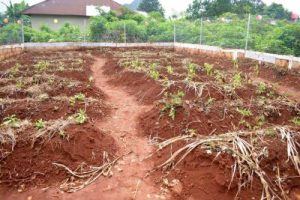
The School Farm
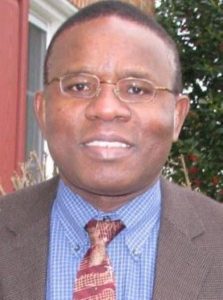
Grateful contribution at National Primary School, Umuwala in Nkwerre local government area of Imo State, Nigeria, by a family, Dr and Mrs. Patrick Nwakama, sowing a seed of hope.
Farming and by extension agriculture are the baseline means of sustainability and livelihood keyed into nature. And in creation, land, that is the earth, is set apart to harbour all creatures and the necessities to keep them alive. Farming came with humanity.
In every community and settlement, innovation and resources come together. They grow through human efforts and determination and are plunged into what will be beneficial to the people in maintaining survival. Today, young ones are restless and looking for guided outlets into a beneficial future. What future are they looking at, we ask. The fundamental thing not thoroughly explored, which is a core reality, is the usefulness of the seed sowed in the soil. It turns out to be food.
Food is central in existence, whether for human beings or creatures that exist to support man. Tilling the soil is a prime necessity in food production. And yet today’s young people seem most aversed going to the soil for its values.
We are in an era when young people are turning away from the soil, unaware of its promise and its power. It’s this time that the family of Dr and Mrs Patrick Nwakama has stepped in to plant a seed of hope by establishing an ecological farm in a primary school, National School, Umuwala in Nkwerre local government area of Imo State, Nigeria. The primary school was founded in 1929, and Dr. Patrick Nwakama is an alumnus and served as secretary of the Young Farmers Club in the primary school in early 1970s.
The support from this family has done more than revive a patch of land — it has revived a vision for the future of agriculture among our youth.
For this thoughtful intervention and push toward social growth, the farm will be transformed into a thriving, hands-on learning space. With the introduction of new crop varieties on the horizon — including vegetables, grains, and medicinal plants — students now have the opportunity to engage directly with the processes of growing food, understanding the seasons, and learning the science behind sustainable agriculture.
More than just rows of crops, the farm will become a training ground. It will serve as a practical hub where young students, many for the first time, will be getting their hands in the soil and discovering that farming is not a symbol of poverty as some may conceive — but a path to knowledge, innovation, and economic potential. Each planting session, each harvest, and each discussion around compost or irrigation will open new doors of interest and possibility.
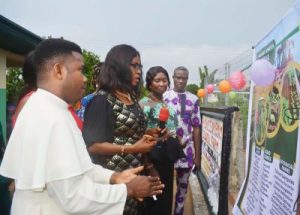
Commissioning the Farm
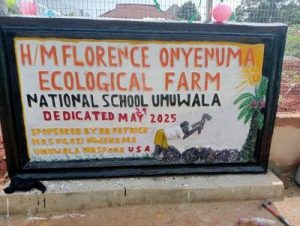
The school ecological farm is named “Headmistress Mrs. Florence Onyenuma Ecological Farm”, in recognition of the support of the headmistress in the realization of the project. It was commissioned and dedicated on Thursday, May, 29, 2025, by the Imo State Commissioner for Education, Prof. T. B. O. Ikegwuoha, who was represented by the Education Secretary of Nkwerre council area, Lady Florence Nzoaka.
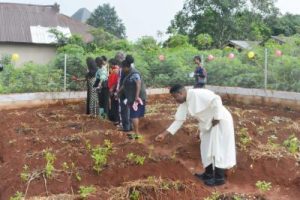
Rev Fr. Lawrence Okafor, the parish priest of St. John Catholic Church, Umuwala, was present to pray and bless the commissioning and dedication of the farm.
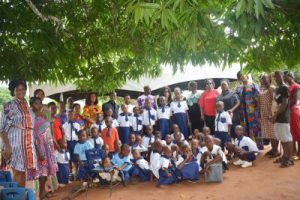
The headmistress expressed the appreciation of the school and the community to Dr. and Mrs. Patrick Nwakama for this love they gave — with humility, foresight, and genuine care for the next generation. They simply saw a need, and answered it with quiet generosity and action, and in believing in young people, in education, and in the future of farming. This contribution will continue to bear fruit in ways seen and unseen, season after season.
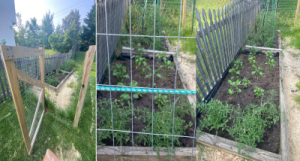
Dr. Patrick Nwakama Family Farms
It is on record that Dr. Patrick Nwakama has a deep passion for farming, dating back to his days at this primary school where he served in the school Farm Club. Tracking his interest, Dr. Patrick Nwakama, who lives in the United States of America, has this to say, “My passion for farming continued when I moved to the US where I erected an enclosed garden in my backyard for growing vegetables and fruits. Annually, I have bumper harvests of peppers, tomatoes, onions, and eggplants that I ship across the US to friends and families.”
In all, this is a worthy contribution to repositioning the people’s mindset, particularly the young ones in the areas of agriculture and farming, which are neglected. By bringing this closer to the people and demonstrating the prime values attached to agriculture and farming, the young ones will learn to direct their interests better informed. This is the need of our people, things that relate and agree with communal growth.
JODike-Development Watchers Africa